A1C In Pregnancy And Gestational Diabetes
Pregnancy changes the assumptions an A1C rests on more thoroughly than almost any other ordinary situation. The test still works, but what it reports drifts away from what daily glucose is doing, and the drift runs in a predictable direction. Antenatal care is guided by a specialist team, and everything below is background rather than instruction.
Why the number reads low
Two changes push in the same direction from early in a pregnancy.
Blood volume expands substantially, and the plasma component expands faster than the red cell component. The result is a relative dilution of the cells the test measures. Alongside that, red blood cell production increases and average cell age falls, so a larger share of circulating cells are young ones carrying very little accumulated glucose coating.
Together these lower the measured percentage relative to the glucose actually circulating. The effect grows as the pregnancy progresses, which is why a stable result across trimesters can conceal a genuine rise in daily glucose.
The mechanism is the same one described in our guide on factors affecting A1C: anything that shortens the average life of a red blood cell pulls the measured percentage downward, independently of glucose.
Why gestational diabetes is not diagnosed by A1C
Gestational diabetes usually develops in the second half of pregnancy, as placental hormones increase insulin resistance. Two features of the A1C make it the wrong instrument for catching that.
- It is too slow. The test reports a weighted average across roughly three months. A condition that develops over several weeks in the second trimester is still barely represented by the time it matters.
- It reads low in exactly this situation. The dilution and turnover effects work hardest in the second half of pregnancy, which is precisely when the condition appears.
- The relevant pattern is after eating. Gestational diabetes shows itself most clearly in the response to a glucose load, which an average cannot isolate.
For those reasons, screening is done with an oral glucose tolerance test, or with fasting and post load glucose measurements, typically somewhere around the middle of the pregnancy. Our guide comparing A1C and fasting glucose explains why the two kinds of test see different things.
Where the A1C is still used
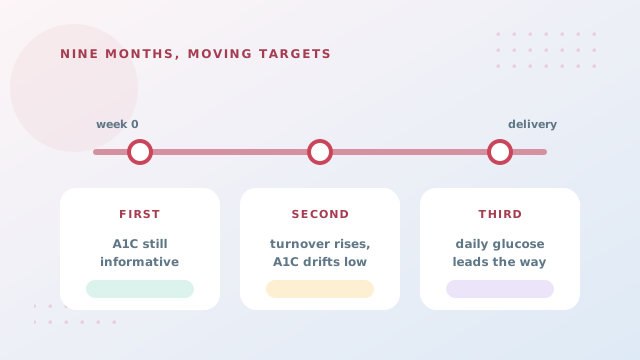
| Point in time | Role of the A1C | What leads instead |
|---|---|---|
| Planning a pregnancy | Useful | Preconception planning uses it directly |
| Early first trimester | Sometimes used | Can reveal pre-existing raised glucose |
| Second trimester | Unreliable alone | Tolerance testing, daily monitoring |
| Third trimester | Reads low | Daily glucose readings, sensor data |
| After delivery | Returns to usefulness gradually | Follow up testing per guidance |
The first two rows are worth noting for anybody planning a pregnancy. An A1C taken before conception describes the preceding months without any of the pregnancy related distortion, which is exactly when the information is most actionable. Early in the first trimester, a raised result more often reflects glucose that was already elevated before conception than anything that has developed since.
Why daily monitoring takes over
Antenatal glucose targets are considerably tighter than general adult targets, and they are expressed as fasting and post meal values rather than as an average. That structure exists because the timing of glucose rises matters during pregnancy in a way that a three month average simply cannot express.
Fingerstick readings at specified times, and increasingly continuous sensor data, provide the resolution required. The same logic applies here as in our guide on time in range: when the shape of the day is what matters, an average is the wrong summary.
Keeping a record through it all
Even where the A1C is not leading decisions, keeping the results you do have, with their dates and a short note about the stage of pregnancy, is worthwhile. A run of results annotated with context reads clearly a year later, whereas bare numbers invite misinterpretation once the circumstances are forgotten.
The history mode of the calculator stores nothing anywhere but your own browser, and only if you ask it to, which matters more than usual for information of this kind. Our guide on building a trend chart covers keeping the record accurate.
Anything on this page is general background. Pregnancy care runs on guidance written specifically for it, and the thresholds, targets and testing schedule that apply to you come from the team looking after you rather than from any general reference chart.
Conclusion: A1C During Pregnancy
Expanded blood volume and faster red cell turnover pull an A1C below what circulating glucose would otherwise produce, and the effect strengthens as pregnancy progresses. That is why gestational diabetes is screened with tolerance testing rather than an average, and why daily readings lead care through the second and third trimesters. The test is most informative before conception and in the earliest weeks.
Discuss every figure with your antenatal team, and see our medical disclaimer for the full position.